
Fair prices. Fast approvals. Your health always comes first. Get Qualified for a Texas Medical Marijuana Card Today.
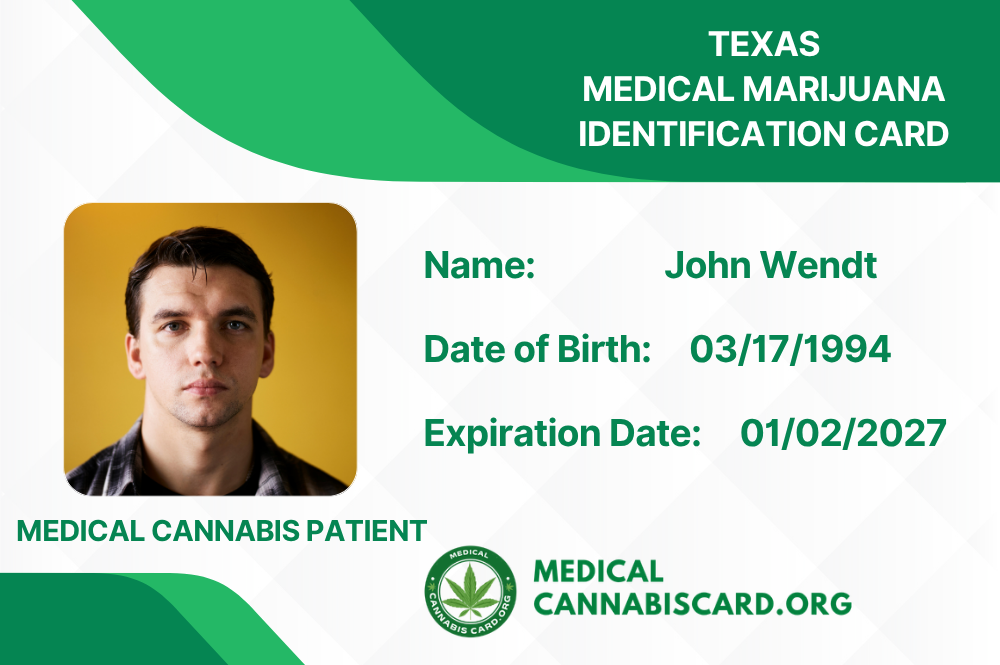
Texas is a land of big dreams, wide-open spaces, and legendary heatwaves. From the humid coastal breeze of Corpus Christi to the dry, dusty plains of Amarillo, Texans are known for their resilience. Whether you are living in a historic bungalow in the Heights or a sprawling ranch house in the Hill Country, your health is your most valuable asset. As we move through the year, many residents are looking for alternative ways to manage their health. If you are exploring natural relief, you must understand the qualifying conditions for Medical Card in Texas 2026 to see if you are eligible for the state’s program.
In the past, the list of conditions allowed in Texas was very short. However, lawmakers and medical experts have worked together to expand the program. Today, the program is more accessible than ever.
Whether you are navigating the heavy traffic on the 610 Loop in Houston or enjoying the quiet bluebonnet fields near Fredericksburg, the law applies to you equally across the state.
The program is overseen by the Texas Department of Public Safety (DPS). They maintain the Compassionate Use Registry of Texas (CURT). To be eligible, you must be a permanent resident of Texas and have a condition that is officially recognized by the state. Knowing the qualifying conditions for Medical Card in Texas 2026 is the first step toward finding relief.
To help you understand if you qualify, we have broken down the current list of medical conditions recognized by the state of Texas.
This was the first condition approved in Texas. For those living with frequent seizures, low-THC cannabis can be a life-changing option. Many families in suburban neighborhoods from Katy to Plano have found that medical marijuana helps reduce the frequency and severity of episodes when traditional medicines fail.
MS can cause significant pain and mobility issues. Patients often struggle with the humid Texas summers, as heat can make MS symptoms worse. Medical cannabis is often used to manage the muscle spasms and nerve pain associated with this condition.
Spasticity involves stiff or rigid muscles that can interfere with walking or talking. It is often a secondary symptom of other neurological conditions. If you have been diagnosed with spasticity, you likely meet the qualifying conditions for Medical Card in Texas 2026.
ALS, also known as Lou Gehrig’s disease, is a progressive neurodegenerative disease. Texas law includes ALS to provide palliative care options for patients seeking to manage their symptoms and improve their quality of life.
Texas was one of the first states to include autism as a qualifying condition. This applies to both children and adults. Families living in the master-planned communities of Sugar Land or Round Rock often seek medical cannabis to help with the behavioral challenges or sensory issues associated with autism.
For those fighting cancer, the focus is often on comfort. Medical marijuana can help manage nausea from chemotherapy and chronic pain. Whether you are receiving treatment at the world-renowned MD Anderson in Houston or a local clinic in El Paso, terminal cancer is a qualifying condition.
This is a broad category that covers many conditions affecting the brain and nerves. It includes:
As the population ages in retirement communities across the Sunbelt, these conditions are becoming more common. Low-THC cannabis is often used to help with the agitation and sleep disturbances these diseases cause.
Texas is home to one of the largest veteran populations in the country. From the military hubs in San Antonio (Military City, USA) to those retiring near Fort Bliss, PTSD affects thousands of our heroes. In 2026, PTSD remains a core qualifying condition, providing a legal path for veterans and others to manage trauma-related symptoms.
Maria lives in a mid-century modern home in the San Antonio suburbs. She is a 45-year-old mother who was diagnosed with Multiple Sclerosis five years ago. “The Texas heat is my biggest enemy,” Maria explains. “During the summer, my legs get so stiff I can barely walk to my mailbox.”
Maria spent years trying different pharmaceutical options, but the side effects were too much to handle. After researching the qualifying conditions for Medical Card in Texas 2026, she realized her MS made her eligible. She consulted with a registered doctor via a telehealth appointment.
“It changed everything,” she says. “I use a low-THC tincture in the evenings. It doesn’t make me feel ‘high,’ but it relaxes my muscles enough so I can sleep and play with my kids the next day.” Maria’s story is a perfect example of how the Texas program is designed to help everyday citizens live more comfortably.
In Texas, the law specifically allows for “low-THC cannabis.” This means the product contains no more than 1% THC by weight. This is different from the recreational marijuana you might see in states like Colorado. The goal in Texas is medicine, not intoxication.
Because the THC levels are low, patients can often find relief from pain or spasms without the intense psychoactive effects. This makes it a preferred choice for professionals working in the Dallas skyscrapers or parents managing busy households in Pearland.
You cannot simply walk into a doctor’s office and ask for a “green card.” The process is more clinical.
Living with a medical cannabis prescription in Texas requires a little bit of knowledge about local etiquette and laws. Even though you are legally registered, it is best to keep your medicine in its original packaging.
Whether you are enjoying a picnic at Zilker Park in Austin or visiting the Stockyards in Fort Worth, remember that public consumption is generally discouraged. Most patients use their medicine in the privacy of their own homes.
Texas weather can be brutal. If you are picking up your medicine at a dispensary in Houston or having it delivered to your home in Lubbock, don’t leave it in your car. The extreme heat can degrade the quality of the oils and gummies. Keep your medicine in a cool, dark place inside your home to ensure it stays effective.
The medical landscape in Texas is changing for the better. We no longer have to rely solely on pills that come with a long list of side effects. By understanding the qualifying conditions for Medical Card in Texas 2026, you are taking the first step toward a more natural form of healing.
If you or a loved one is suffering from any of the conditions mentioned, help is available. The process is professional, legal, and designed with your privacy in mind. Don’t let another season of Texas heat go by while you suffer in silence.
Currently, general “chronic pain” is not a standalone qualifying condition in Texas. However, if your pain is caused by a permanent medical condition like MS or a neurodegenerative disease, you may qualify.
There is no age limit for the Compassionate Use Program. However, patients under 18 will need legal guardian consent and may require a second opinion from a specialist.
Most doctors will require a follow-up every six months to a year to ensure the treatment is working and to renew your status in the CURT registry.